

India is at a historic turning point. With the world’s largest population and one of the youngest workforces globally, the country has the potential to become an economic superpower over the next two decades. But whether India succeeds depends on one critical factor: Can India create enough productive jobs for its people?
For investors, traders, entrepreneurs, and students of the stock market, understanding employment trends is essential because employment directly affects consumption, corporate earnings, GDP growth, market sentiment, and long-term wealth creation.
India’s Workforce: One of the Largest in the World

India currently has more than 61 crore employed people, making it one of the world’s biggest labour markets. According to the latest PLFS 2025 data, Labour Force Participation Rate (LFPR) stands at 59.3%, Worker Population Ratio (WPR) at 57.4%, and the official unemployment rate at 3.1%.
India’s Biggest Employment Problem Is Job Quality
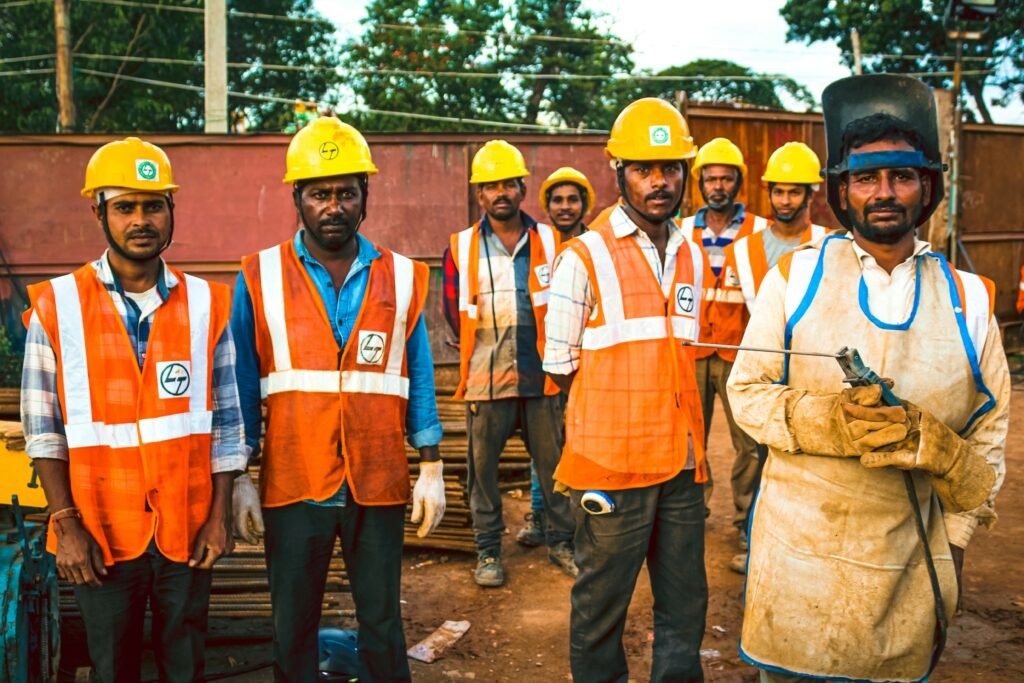
India’s official unemployment rate appears low compared to many countries. However, economists argue that India faces a much bigger challenge: underemployment and low-productivity work. Many Indians are technically employed but earn very low incomes or work unstable jobs.
India’s Informal Economy Still Dominates

A massive share of Indian workers remain informal, meaning no formal contracts, low social protection, and limited retirement benefits. In 2026, India’s informal sector employment crossed 15 crore workers for the first time.
Self-Employment Is Rising

According to PLFS 2025, 56.2% of workers are self-employed, while regular salaried employment stands at only 23.6%. Much of India’s self-employment consists of small vendors, family labour, tiny farms, and survival businesses.
Agriculture Still Employs Too Many People

Agriculture still employs nearly 43% of India’s workforce despite contributing a much smaller share to GDP. India’s long-term growth depends on shifting workers into manufacturing, logistics, infrastructure, and technology sectors.
Female Employment in India

PLFS 2025 reported Female Labour Force Participation Rate at 40% versus 79.1% for males. Barriers include safety concerns, childcare responsibilities, transport issues, and limited formal job opportunities.
India’s Youth Employment Challenge

Youth unemployment remains a serious issue. Nearly 25% of youth fall into the NEET category — Not in Employment, Education, or Training. Only around 4.2% of workers have formal vocational training.
Why Employment Data Matters for Stock Market Traders

Employment is one of the strongest indicators of economic health. Strong employment supports consumption growth, higher corporate profits, stronger banking demand, and bullish stock markets.
Sectors Likely to Create Jobs in the Next Decade

Manufacturing, semiconductors, renewable energy, infrastructure, healthcare, logistics, AI, fintech, tourism, defense manufacturing, and organized retail are expected to become major job creators in India.
Final Thoughts

India’s employment story is complex. The country is generating jobs and expanding economically, but challenges remain in informal work, low productivity, skill gaps, and unequal access to opportunities. For stock market learners and investors, employment data is a powerful indicator of India’s future economic and market direction.
Prepared for Tresor Academy – Stock Market Trading & Financial Education